
Advice
The office of the future: discover the trends for 2026

Laura Nieto
The office of the future is no longer an abstract concept or a mere idea projected into the future of work.
In 2026, it is already a reality in the world of work, observable in everyday practices, employee expectations, organizational transformation, and the way companies are rethinking their physical space, premises, and work culture.
Gone are the days of static offices, spaces designed solely to maximize square footage, and rigid models inherited from a bygone era.
The flexible office is becoming a management tool, a lever for collaboration, team cohesion, and quality of life at work.
At Deskeo, the leader in office rental and serviced offices, we support companies every day in the transformation of their office spaces. Following a first edition published in 2025, we are back with an update on the key trends that will shape the office of the future in 2026.
Discover our offices
Ever greater flexibility
The office of the future is, above all, an adaptable office.
In 2026, flexibility is no longer an option, but a management requirement.
Companies no longer want to commit to rigid leases or freeze their space over time. They are looking for office spaces that can evolve in line with their growth, their projects, the diversity of their teams, and variations in attendance linked to flexible working.
Managed offices and flex offices are emerging as concrete responses to these challenges:
- modular spaces,
- flexible contracts,
- scalable office layouts,
- and immediately operational spaces in well-located office buildings.
At Deskeo, we design flexible offices that optimize resources, improve quality of use, and support the transformation of organizations without disruption.
Our approach is not limited to providing premises: we create workplaces that can evolve without upsetting the balance of the company.
Hybrid and operated offices: a winning duo
Hybrid working is now an integral part of the new era of work, accelerated by the Covid pandemic and firmly established in the labor market.
In 2026, the question is no longer whether to return to the office, but why and how to return.
The office of the future is designed as a place for gathering, collaborating, and transmitting corporate culture.
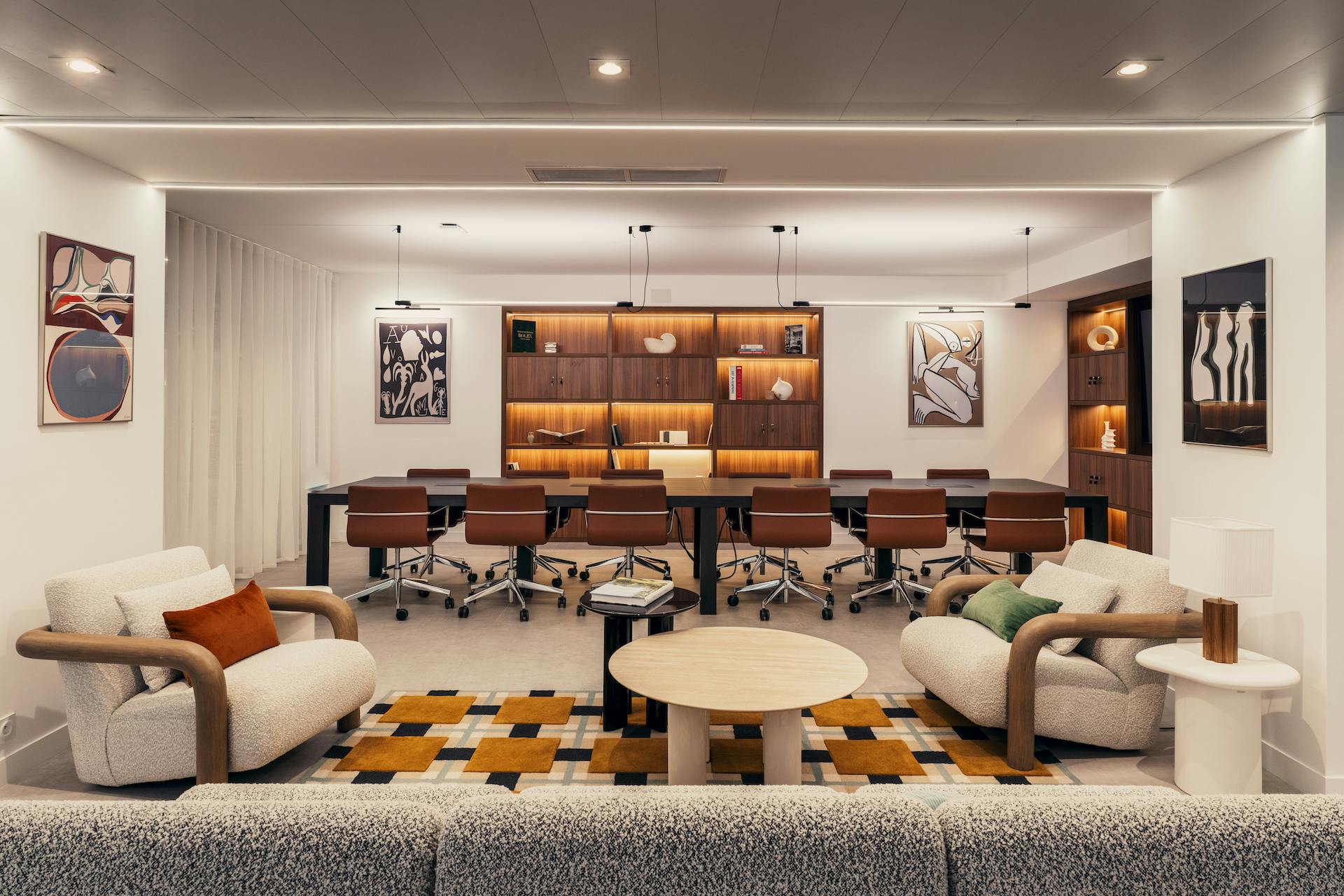
It combines:
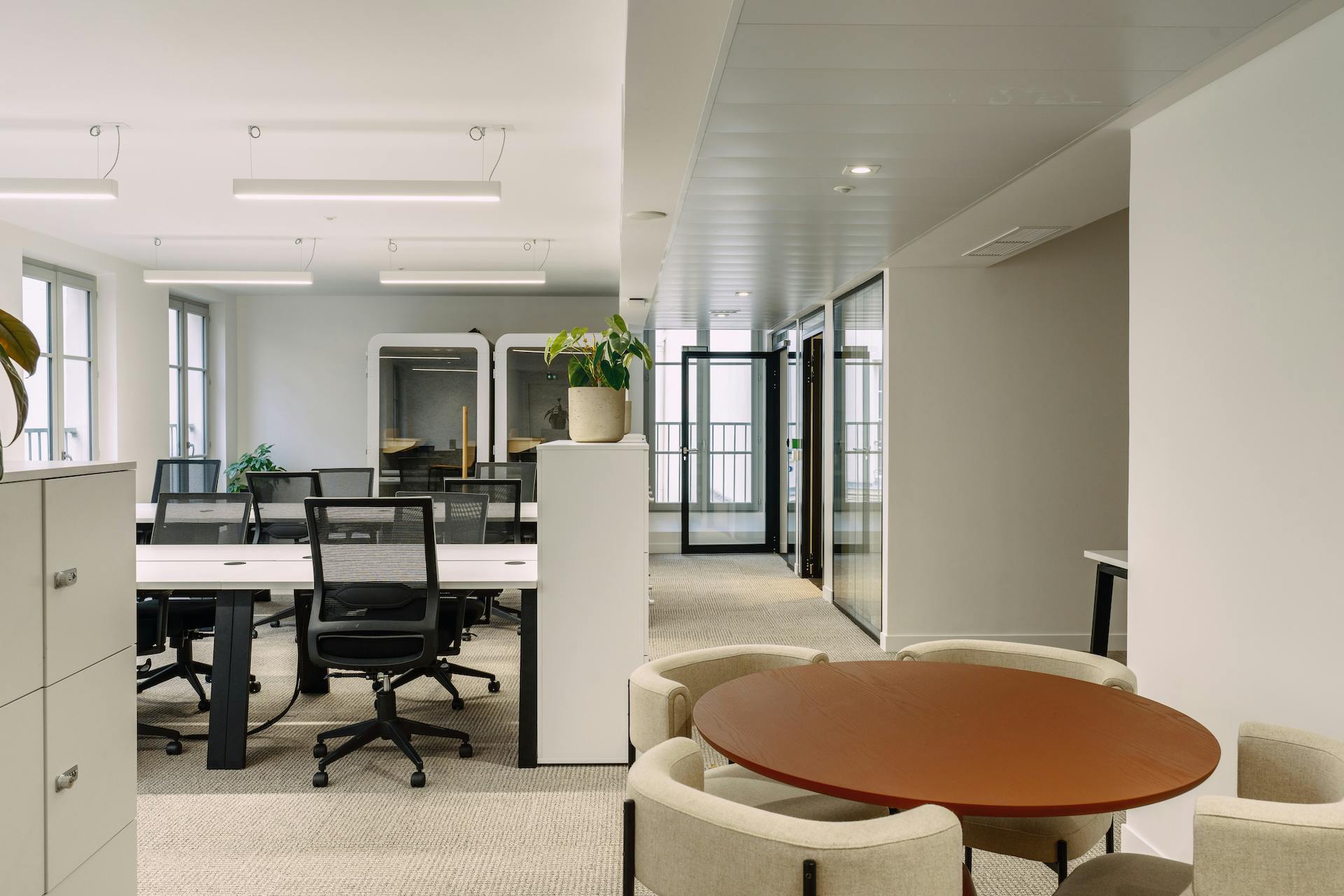
- connected meeting rooms,
- modular collaborative spaces,
- concentration zones,
- shared spaces accessible by reservation,
- private or shared offices depending on usage.
More and more companies are adopting Office-as-a-Service models, relying on a digital reservation and management platform. This approach optimizes space, avoids underutilized premises, and adapts the space to the real needs of employees and collaborators.
The office of the future is thus becoming a management tool, aligned with uses, tasks, and the reality of everyday work.
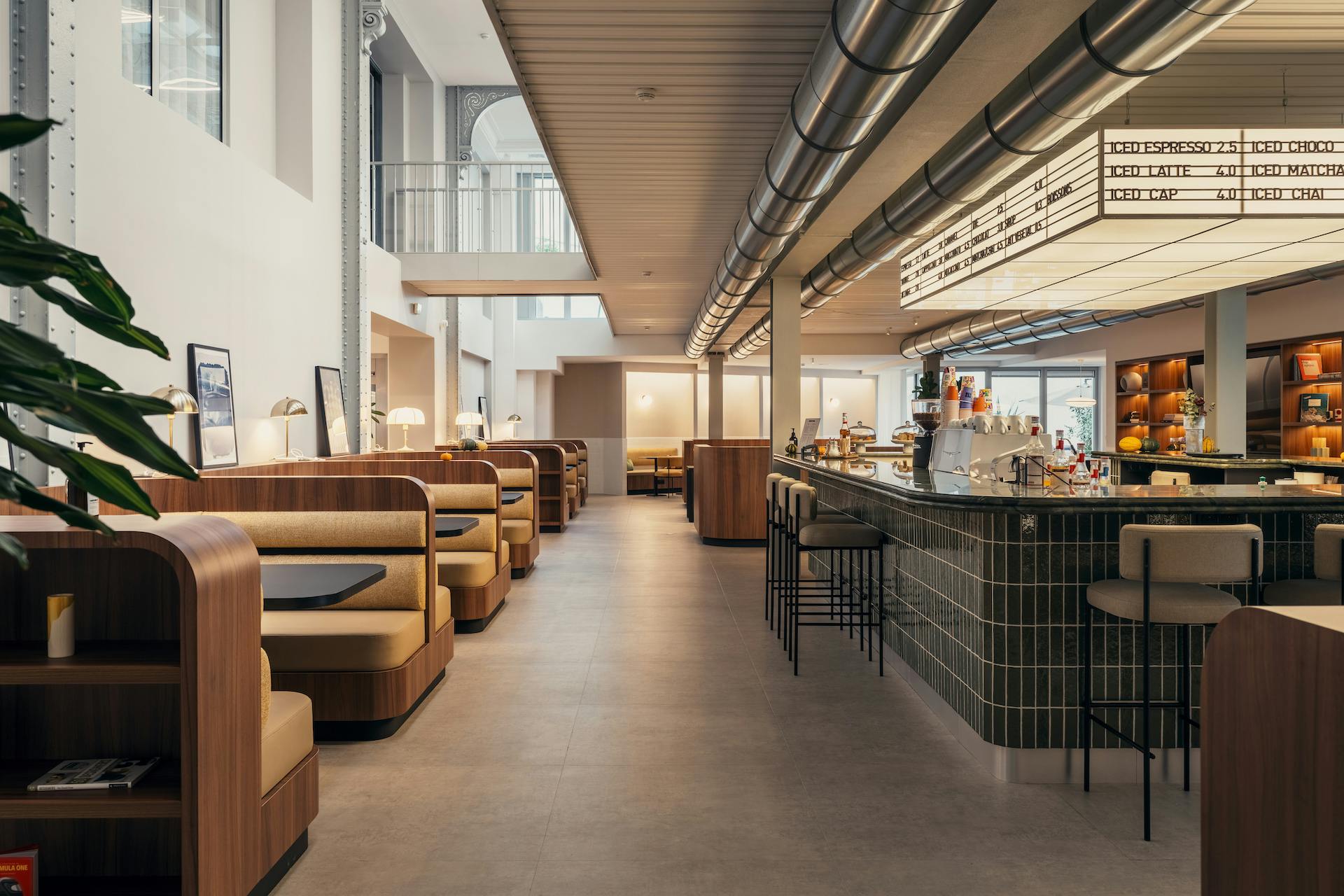
The employee experience at the heart of the office of the future
Attracting, engaging, and retaining talent requires a reimagined employee experience.
In 2026, the office of the future will be an employee-centered environment, where quality of life, employee well-being, and work-life balance take center stage.
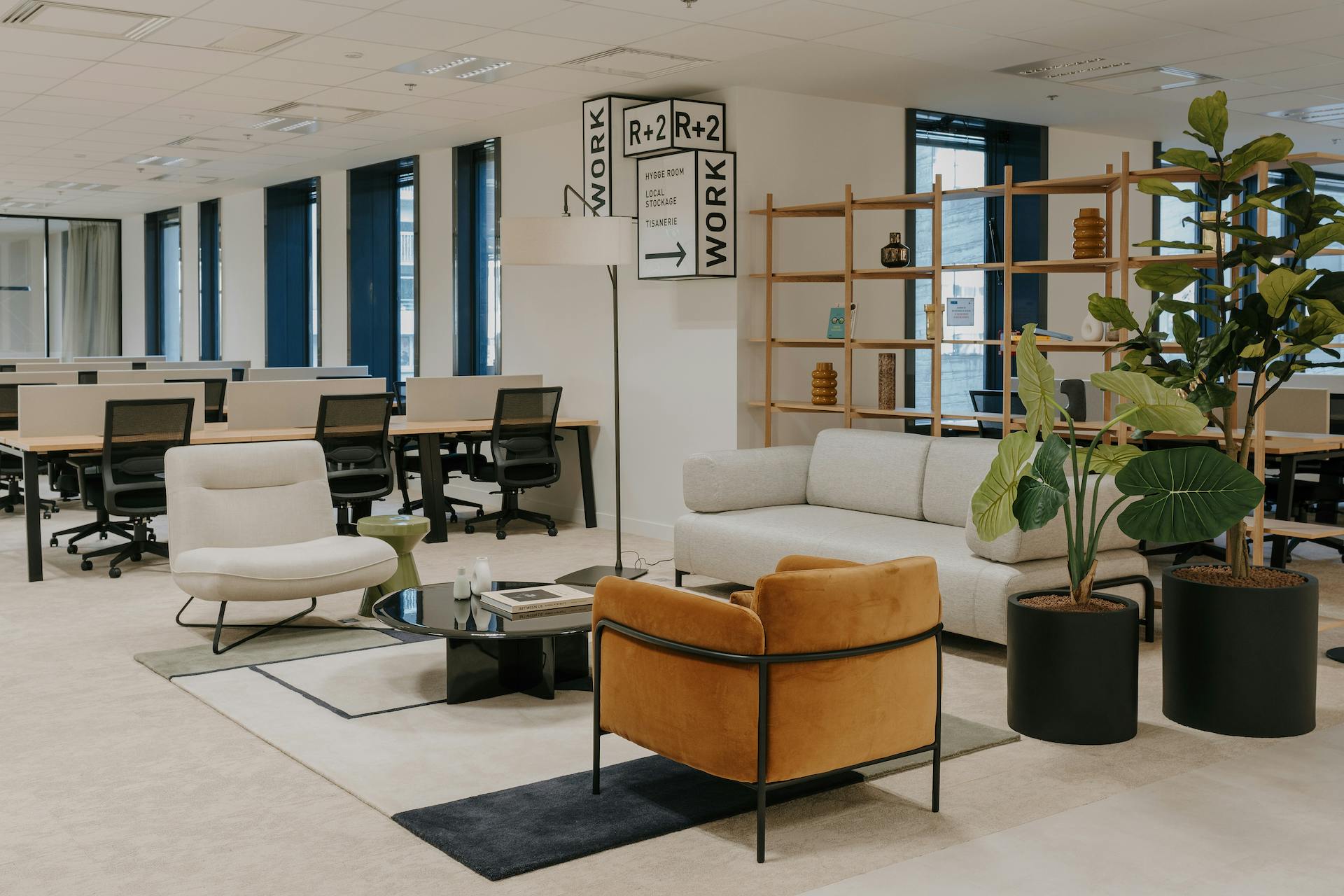
The design of these spaces incorporates:
- natural light,
- air quality,
- temperature control using sensors,
- ergonomic furniture,
- relaxation rooms,
- and spaces that encourage social interaction.
- The office of the future no longer simply provides a workstation: it creates a working environment that promotes collaboration, concentration, and social connection.
It plays a direct role in improving quality of life and collective performance.
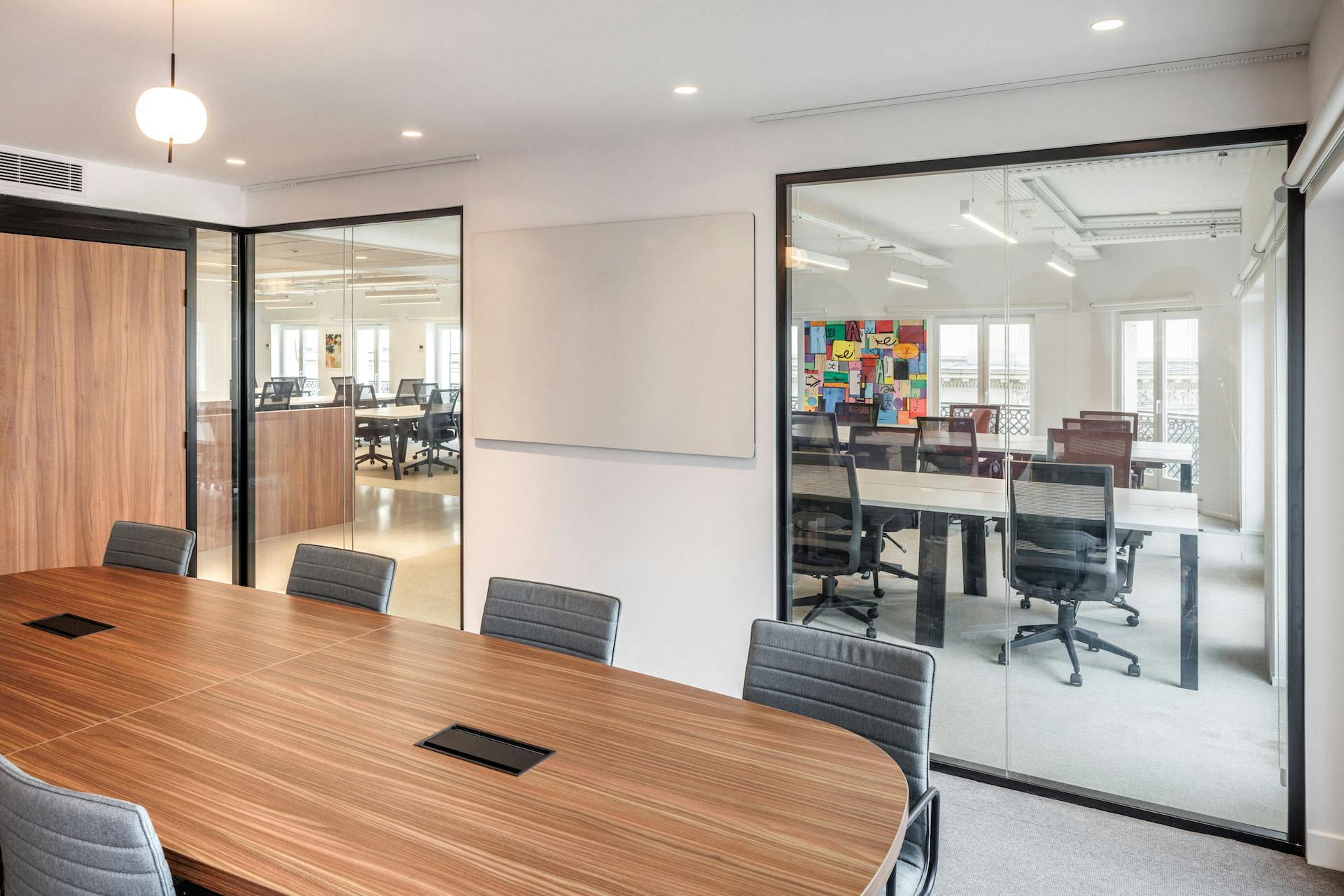
The office of the future, driven by data and technology
In 2026, the office of the future is a smart office.
Technology is omnipresent, but discreet.
Access to spaces via smartphone, real-time booking, occupancy management, usage analysis: digitization and digital transformation enable more efficient use of workspaces.
Companies rely on data to:
- optimize space,
- adjust layouts,
- improve the customer and employee experience,
- make informed management decisions.
Sensors, artificial intelligence, management tools, and sometimes augmented reality: the office of the future is becoming a smart space, capable of continuously adapting to actual usage.
Security and privacy remain essential, with rigorous management of personal data, data access, and the legal basis for processing, in compliance with applicable regulations.

Environmental responsibility: greener offices
Environmental responsibility is now an integral part of office space design.
By 2026, companies will expect office buildings to be more energy efficient, better designed, and built to last.
Low-energy buildings, sustainable materials, circular economy, environmental certifications, resource optimization: the office of the future fully embraces these challenges.
At Deskeo, we are going even further by actively engaging in this ecological transition. We obtained B Corp certification in 2024, which recognizes our commitment to balancing economic performance with social and environmental responsibility. This commitment translates into concrete choices: workspaces designed to minimize their impact, a rigorous selection of responsible partners, and a particular focus on the well-being of our clients and our teams.
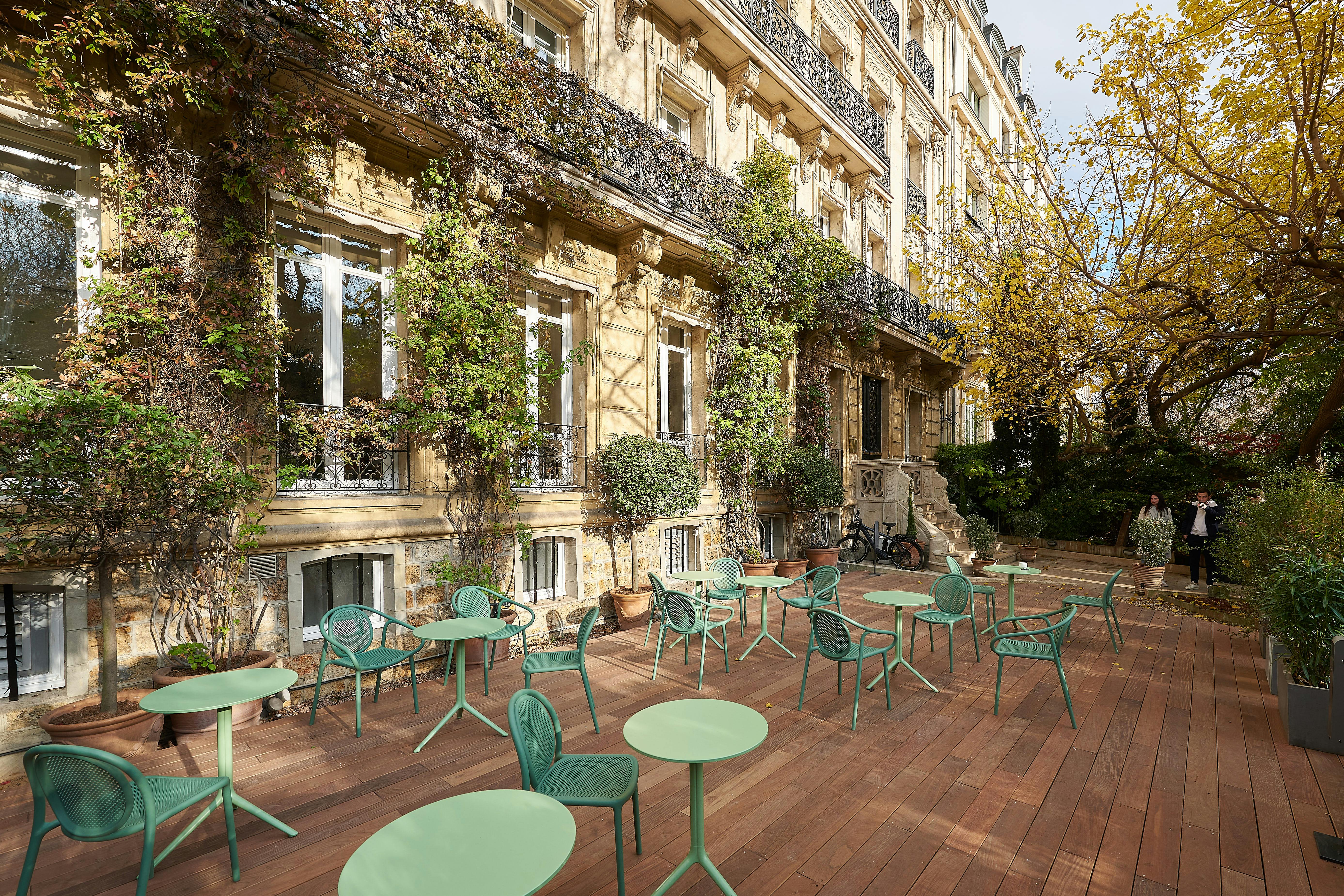
Location remains a key criterion
Even in the digital age, the office of the future remains a strategic physical location.
Location remains a key criterion for attracting talent: accessibility by transport, proximity to services, location in dynamic neighborhoods or economic hubs.
The office of the future is also part of the spirit of the place, creating a link between the building, the neighborhood, and the people who work there.
Soft mobility, adapted infrastructure, diversity of uses: the workplace is becoming a real anchor point in professional life.
👉 Focus on major business districts: discover them here.
How can we prepare for the offices of the future in practical terms?
Preparing for the offices of the future does not mean waiting until we have all the answers.
Above all, it means making the right choices today to avoid suffering in our offices tomorrow. The first key is to accept that the office is no longer a permanent setting.
Organizations evolve, and so do teams. Relying on a space that is too rigid means running the risk of having to rethink everything in two or three years. Conversely, an office designed to evolve allows changes to be absorbed without disruption.
The second essential point is to decouple the use of space. The office of the future is not sized for maximum permanent occupancy. It is designed for peak times: team meetings, group projects, moments of sharing. This means reviewing the distribution between workspaces, collaborative areas, and more informal zones.
Preparing the offices of the future also means simplifying management as much as possible. Fewer operational constraints, fewer difficult internal decisions, and more fluidity on a daily basis. This is often where managed office models come into their own: the company focuses on its business, and the space follows suit.
Ultimately, the office of the future is being prepared over time. Not as a fixed project, but as an evolving tool, capable of adjusting without calling everything into question. An office that supports the company, rather than holding it back.
Managed offices in 2026: a no-brainer!
In 2026, managed offices fully embody the office of the future.
They respond to HR challenges, employee expectations, and changes in the world of work.
Whether you are growing rapidly or looking for a more agile office, these spaces allow you to focus on your business without the constraints of traditional property management. At Deskeo, we have made this approach a reality and offer flexible solutions tailored to the needs of today's businesses. With turnkey offices, services designed to simplify everyday life, and customized support, we enable our clients to confidently move forward in modern and scalable workspaces. Contact us to discuss your project!
More articles

Contact Us
We find your Perfect fit!